What is Nephrotic Syndrome?
Nephrotic syndrome is a kidney disorder characterized by excessive loss of protein in the urine due to damage to the kidney’s filtering units (glomeruli). This condition leads to low blood protein levels, swelling (edema), high cholesterol, and an increased risk of infections and blood clots if not treated appropriately.
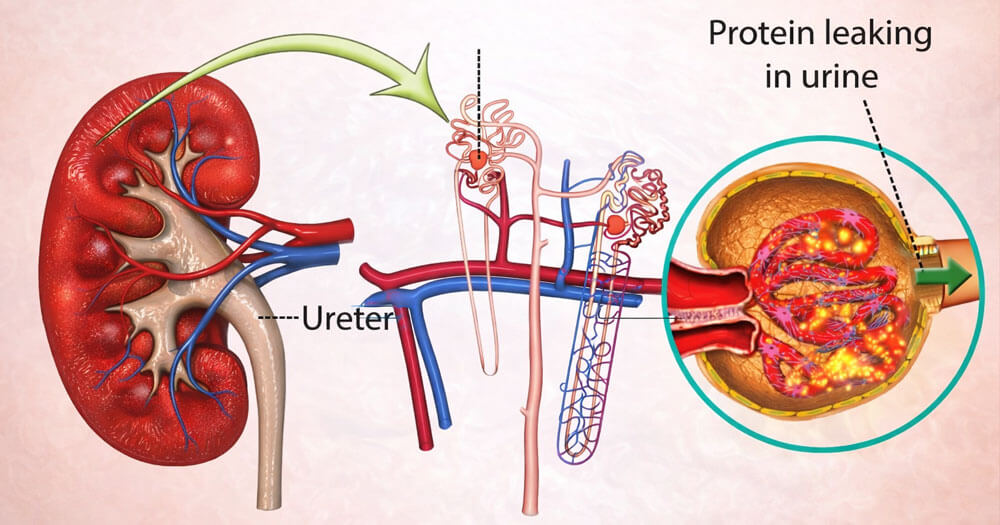
Common Causes of Nephrotic Syndrome
- Minimal Change Disease
- Focal Segmental Glomerulosclerosis (FSGS)
- Membranous Nephropathy
- Diabetic Kidney Disease
- Lupus-related Kidney Disease
Symptoms of Nephrotic Syndrome
Symptoms may include swelling of the face, legs, ankles, and abdomen, frothy or foamy urine, sudden weight gain due to fluid retention, fatigue, frequent infections, and loss of appetite.
Our Treatment Approach
- Detailed urine and blood investigations
- Kidney function and protein loss assessment
- Renal biopsy when required for accurate diagnosis
- Medications to reduce proteinuria and inflammation
- Dietary guidance and fluid management
When Is Treatment Required?
Treatment is essential when patients experience persistent swelling, heavy protein loss in urine, declining kidney function, or complications such as infections, high cholesterol, or blood clots.
Why Choose Us?
- Specialized care for complex kidney disorders
- Personalized, evidence-based treatment plans
- Close monitoring to prevent disease relapse
- Comprehensive long-term kidney care
Early diagnosis and consistent treatment are vital in managing nephrotic syndrome and preventing long-term kidney damage. Contact us today for expert evaluation and personalized nephrology care.